The God who Provides All we need Exodus 25:23-40 (NKJV)
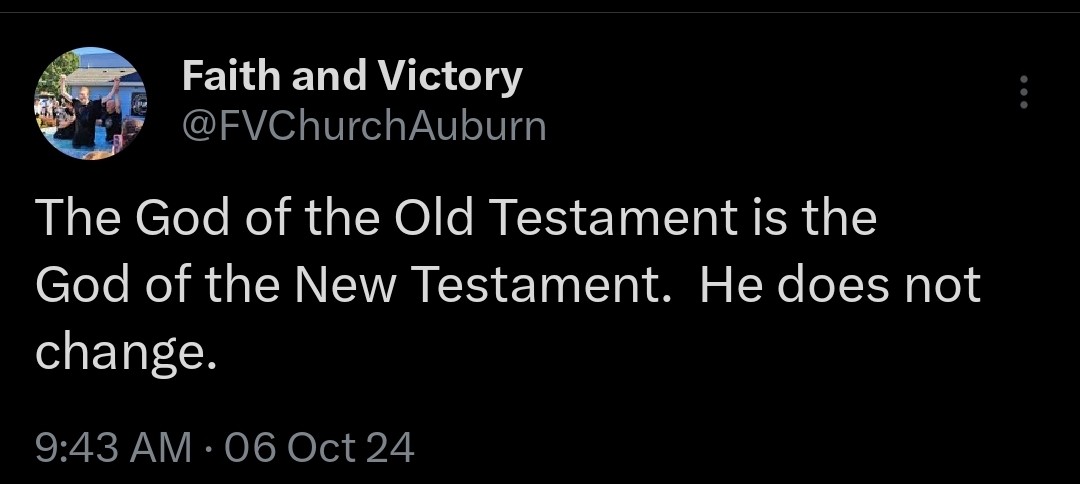
There’s a continuity in the Bible that is evident if you’re watching. The God of the OT is the God of the NT. Jesus is all over every page. If you slow down and research, you’ll see Jesus everywhere. Today we look at the Table of the Shewbread and the Gold lampstand (menorah)
1. The three pieces of furniture in the Holy Place:
Table of Showbread – Golden Menorah – Altar of Incense (we will get to in 30)
God’s provision for His people—light, sustenance, and access to His presence.
God provides for our every spiritual need. Jesus is the Bread that satisfies (John 6:35) Shewbread and the Light that leads us (John 8:12) Golden lampstand
2. The Table of Showbread (Exodus 25:23-30)
- Material: Made of acacia wood (shittim),durable and incorruptible wood 2 cubits long, 1 cubit wide, 1.5 cubits high Overlay: Covered in pure gold (zahav tahor), purity, holiness, and kingship. Molding: Gold molding surrounds the table, symbolizing a crown for beauty and security . Frame: A gold-framed border of a handbreadth (tophakh) is placed around the table for support. Rings: Four gold rings attached at the feet (raglav) of the table for carrying with poles .
- Those things which are holy to God, should be treated as special, not common. HOLY
- They weren’t to be carried by beasts of burden- The burden of the ministry and ministry to the Lord is always Priestly. (we are priests and kings) and it is up to US to minister and work.
- Salvation isn’t a one time event, nor is experiencing God. We stay in his presence and renewed
- Purpose of the Table: Showbread (lekhem pannim): Twelve loaves, representing the tribes of Israel and the unity of Jew and Gentile in Christ 6 is the number of man.
- Accessories: Dishes (qearah), pans (kaph), pitchers (qasah), and bowls (menaqqith), all made of pure gold, for pouring out offerings (Exodus 25:29).
- Showbread (lekhem pannim): Twelve loaves, known as the “bread of the faces” or “bread of presence,” are set before the Lord continually and exchanged , symbolizing perpetual worship
- The shewbread, or “bread of the presence” was baked by the priests of Israel. According to Leviticus 24:5-9, the bread was made from fine flour, and twelve loaves were baked, one for each tribe of Israel. These loaves were placed on the Table of Showbread in the Holy Place of the tabernacle, and later the temple, as a perpetual offering before the Lord.
- How Often Was the Shewbread Switched Out?
- The shewbread was switched out every Sabbath (once a week). The twelve loaves were replaced with fresh bread, and the bread that had been on the table for the previous week was eaten by the priests in a holy place (Leviticus 24:8-9). This regular weekly rotation signified the continual presence of God and His provision for the people of Israel. Kept them coming back
- The bread was a symbol of God’s provision and fellowship with His people, and the priests’ consumption of it reflected their special role in ministering before the Lord and his provision.
- The Ark was the place of consecration, the table was the place of fellowship in his presence
- Our relationship with God is relational. He is not just a God to be revered, he has a presence that is able to be experienced. The tangible nature of worship of God cannot be understated
- God always wanted relationship with his people. God speaks, we listen (examp- marriage isn’t contractual. We enter into a relationship with thoughts, feelings, activities.)
- Ezekiel 37:27 “My tabernacle also shall be with them; indeed I will be their God, and they shall be My people.” 2 Corinthians 6:16 “And what agreement has the temple of God with idols? For you are the temple of the living God. As God has said: ‘I will dwell in them and walk among them. I will be their God, and they shall be My people.’”
3. Pictures of Christ in the Table of Showbread
- Acacia wood: Represents Christ’s humanity—sinless and incorruptible hearty (Isaiah 53:9).
- Gold: Symbolizes Christ’s divine nature and kingship (Revelation 19:16). Molding and Frame: Gold crown molding symbolizes Christ’s kingship and the eternal security of those in Him (Exodus 25:24-25). Rings and Poles: Represent the spread of the Gospel to the nations. The poles symbolize the two testaments of the Bible, which carry the message of Christ (Exodus 25:26-28). Purpose of the Table: Showbread :Twelve loaves, representing the tribes of Israel and the unity of Jew and Gentile in Christ (Levi 24:5-9, 1 Cor 15:20-22). 6 and 6. The number of man represent the two types of men in Christ- Jew-Gentile- brings all 12 and both side togehter
- As believers, we partake of both Christ’s humanity (He understands our struggles) and His divinity (He is our Savior and King). This symbolizes the two natures of Christ- 6 and 6
- The Twelve Loaves Represent the people of God, sustained by Christ (John 6:35).
- No yeast: Signifies sinlessness—Christ is without sin, and in Him, we are made clean
- 1 God’s Provision and Sustenance placed before the Lord continually. God’s constant provision for His people, meeting their physical and spiritual needs. It reinforced the idea that God is the source of life and sustenance for Israel. (not continual sacrifice, continual fellowship)
- The weekly renewal of the bread indicated Israel’s dependence on God for daily sustenance, as symbolized by the bread that remained before Him. They had to do it continually.
- 2. Fellowship and Communion between Israel and God. the “bread of the presence” was laid out in the Holy Place, continually before the presence of God. the nearness of the people to God and their place before Him. This repetitive process kept them. (You don’t eat once)
- The priests, who represented the people, were permitted to eat the bread in the Holy Place. This shared meal symbolized communion with God—an intimate act of fellowship.
- 3 Perpetual Covenant Relationship a “perpetual offering” (tamid in Hebrew), symbolizing Israel’s ongoing covenant relationship with God. The bread was always present before God, indicating that Israel was always in His sight and under His care being watched over
- This pointed to the enduring nature of the covenant. Even when Israel was unfaithful, God’s presence and covenant promises were constant. We may fail, he never fails. COVENANT
- 4 Spiritual Nourishment and Dependence on God Just as manna in the wilderness was God’s provision of physical bread, the shewbread was a symbol of spiritual sustenance. It foreshadowed the coming of Jesus Christ as the true Bread of Life– never spiritually hunger
- The shewbread, which pointed to Christ, taught Israel that their ultimate nourishment and sustenance came not from earthly bread, but from the Word of God and His divine provision.
- Life Application: Christ is the Bread of Life John 6:44-51 READ
- This shewbread is the foreshadowing of our relationship with God like the shewbread
- 44 No one can come to Me unless the Father who sent Me draws him;
- ‘And they shall all be taught by God.- Moses went to God’s presence, we go to Jesus
- he who believes in Me has everlasting life.- Bread of P. Sustained. Our belief sustains
- I am the bread of life.- Bread of P sustained life. Actually ate, Jesus gives us life
- This is the bread which comes down from heaven- 12 loaves- God’s presence. Now- JC Pres.
- I am the living bread which came down from heaven. If anyone eats of this bread, he will live forever; and the bread that I shall give is My flesh, which I shall give for the life of the world.”
- Communion bread- So now, we commune with God through communion and life.
- Just as the showbread was continually set before the Lord, our worship and reliance on Christ should be continual. Constantly communing. Constant communion. In his presence.
- Coming to Christ, and being a Christian is not simple one time event. We are saved in an instant, but our salvation is an ongoing relationship that we have with God through his body the church
- The critics say “I can do that alone” but the truth is that the repeated nature of daily prayers, daily reading, weekly worship and fellowship are akin to the switching of the bread
- “let us continually offer up the sacrifice of praise”- Worship of God is weekly- Just as the shewbread needed to be switched out weekly and consumed, our spiritual life can become moldly and stale without a weekly renewing of relationship with God and others
- An ongoing relationship with God must be renewed daily and weekly to remain in his presence
- You know this- you notice a difference when you are absent from weekly gathering
- Weekly Changing of the Loaves: Symbolizes our renewal in Christ (2 Corinthians 4:16-18) and resting in Him, our true Sabbath (Hebrews 4:3). Presence of the Bread: Represents communion between believers and Christ, with the bread being supported by the table—Christ upholding His people. Crown Molding: Surrounds the bread, Christ’s eternal kingship over those who are in Him. Fulfillment of Roles: The Ark (law), Mercy Seat (atonement), and Table (Bread of Life) show Christ’s mission and our communion with God through Him- perpetual and continual.
- Dishes (qearah): Represent Christ as the Bread of Life, symbolizing the presentation of His life and sacrifice (John 6:48-51). Pans (kaph): Symbolize Christ’s intercession, holding incense that represents prayers (Revelation 5:8; Hebrews 7:25). Pitchers (qasah): Represent the blood of Christ, symbolizing His sacrifice poured out for the forgiveness of sins (Matthew 26:28). Bowls (menaqqith): Reflect the offering of Christ’s life, symbolizing the completion of His sacrificial atonement (Luke 22:20).
Then we do communion with him continually to continually renew our covenant relationship
4. The Menorah
- Pure Gold (zahav tahor): The menorah is made entirely of pure gold Hammered Work (miqshah): Like the Mercy Seat, the menorah is crafted from a single piece of gold, requiring immense skill Components: The menorah consists of a central shaft (yarek) with six branches (qaneh) extending from the sides, each with bowls (gabia), ornamental knobs (kaphtor), and flowers (perakh), all symbolizing life and growth (Exodus 25:31-32).
- Symbolism of the Almond Blossoms (shaqued) Three almond blossom designs on each branch (symbolizing vigilance and God’s watching over His word to fulfill it—Jeremiah 1:11-12). The almond, being the first to bloom, represents new life and resurrection (Numbers 17).
- It’s the first to bloom, but the longest to harvest- much like salvation and sanctification
- Knobs and Flowers: These represent various stages of growth and flowering, symbolizing the flourishing of God’s people under His care (Exodus 25:33-34).
- Six Branches: Three branches on each side of the central shaft, with three almond designs per branch Four Bowls on the Central Shaft: There are four almond designs on the central shaft, symbolizing fullness and completion. In total, the menorah has 22 designs, corresponding to the 22 letters of the Hebrew alphabet, representing the divine word (Exodus 25:34-35).
- One Solid Piece: The menorah’s knobs, branches, and decorations are all crafted from one solid piece of gold, Hammered from Pure Gold: The repetition of the term “pure gold” stresses the purity and divine nature
- A Lamp for Giving Light (Exodus 25:37-40) Seven Lamps (Exodus 25:37) for the seven branches of the menorah. These lamps were arranged to give light in front of the menorah, especially illuminating the Table of Showbread (Exodus 26:35). The lamps were lit at twilight and burned all night, extinguished by the High Priest in the morning (Exodus 27:21, 30:7-8).
- Wick-trimmers (melqakh): Tools for adjusting or snuffing the lamps, first mentioned here, also referred to in Isaiah 6:6. Trays (makhtah): Used for collecting the snuff from the lamps when extinguished. Both tools were made of pure gold, as were all implements of the menorah.
- The menorah and its utensils crafted from a single talent (kikkar) of pure gold, 75- 130 pounds.
5. The Menorah as a Picture of Christ
- Represents Christ, the true Light of the world John 5:39 “You search the Scriptures, for in them you think you have eternal life; and these are they which testify of Me.”
- John 8:12 Then Jesus spoke to them again, saying, “I am the light of the world. He who follows Me shall not walk in darkness, but have the light of life.”
- As the lamp of God (1 Samuel 3:3), the menorah symbolizes Christ as the light of the world
- The Lamp illuminates the bread in the tabernacle. Light of Christ over the Bread of Life.
- Seven Lamps: Represent the fullness, perfection, and holiness of Christ’s light and the seven-fold Spirit of the Lord (Isaiah 11:2; Revelation 4:5). Isaiah 11:2 The Spirit of the Lord shall rest upon Him, The Spirit of wisdom and understanding, The Spirit of counsel and might, The Spirit of knowledge and of the fear of the Lord.
- Revelation 4:5 And from the throne proceeded lightnings, thunderings, and voices. Seven lamps of fire were burning before the throne, which are the[b] seven Spirits of God.
- Pure Gold (zahav tahor): Christ’s divinity, total purity, and royal status.
- Central Shaft (yarek): Represents Christ, the promised seed of Abraham, from whom all branches (believers) derive their source of life.
- Six Branches: Symbolize redeemed humanity (Jew and Gentile) united to Christ, dependent on Him as their source. The number six represents man, especially fallen man.
- Floral Almond Designs: Reflect vigilance and God’s faithfulness in fulfilling His word (Jer 1:11-12). Almonds, the first to bloom and last to ripen, symbolize the entirety of redemptive history.
- Seven Branches-Seven Days of Creation: The branches correspond to the days of creation, with the middle shaft representing God’s Sabbath rest.
- Lamp of God and His Word: The menorah reflects the light of the Word of God, illuminating Christ as the Bread of Life. Psalm 119:105 describes God’s word as a lamp and light for our path.
- Christ as the Light of the World The menorah’s light represents the illumination of Christ through the Holy Spirit, shining out to the world and revealing God’s plan for salvation.
So what do we do with that?
1. Feast on the bread of life.
- John 6:35 And Jesus said to them, “I am the bread of life. He who comes to Me shall never hunger, and he who believes in Me shall never thirst.”
- John 6:50 This is the bread which comes down from heaven, that one may eat of it and not die.
- So many people do not feast on the bread of Jesus and are spiritually hungry because of it.
- How do we do that? Read the word. Ingest the truth. Perpetually commune with GOd
- Matthew 4:4 But He answered and said, “It is written, ‘Man shall not live by bread alone, but by every word that proceeds from the mouth of God.’”
- Spiritual bread is more important than physical bread. You need both, but food don’t cut it.
- Matthew 26:26 “Take, eat; this is My body.”- Jesus knew we needed daily bread.
- STAY IN FELLOWSHIP- 1 Cor 10:17For we, though many, are one bread and one body; for we all partake of that one bread.
- When I eat alone, I eat the least amount of food possible to not be hungry. Others? FEAST
- Seems to be the same in spiritual life. I don’t love singing alone to the Lord- LOVE IT with others
- Paul here speaks of the unity of believers in Christ, symbolized by the breaking of bread in the
- Acts 2:42 And they continued steadfastly in the apostles’ doctrine and fellowship, in the breaking of bread, and in prayers. They ate together and they did communion every week
2. Let Christ light shine in you and guide you
- John 8:12 Then Jesus spoke to them again, saying, “I am the light of the world. He who follows Me shall not walk in darkness, but have the light of life.”
- Too many people do not let Christ illuminate their life, so they walk in darkness. No light
- The Mercy seat was the place of forgiveness, the table and light is the place of fellowship
- Christ’s light illuminates our lives and shows us the way to walk in this life with him
- We are forgiven from sin, we have fellowship with God, we are sustained by his presence
- Have you ever said “These people have no idea what is going on” they have no LIGHT
- John 1:4-5 In Him was life, and the life was the light of men. And the light shines in the darkness, and the darkness did not comprehend it.
- They don’t get it- they need the light of Christ to show them how they should live
- Eph 5:8 For you were once darkness, but now you are light in the Lord. Walk as children of light.
- We must walk as Children of the light. Everywhere we go every day we show the light of Christ
- We LIVE in a way that we aren’t in the darkness. We don’t take part in the deeds of darkness
- 1 Thes 5:5 You are all sons of light and sons of the day. We are not of the night nor of darkness.
- How can you say you walk with God, experience his bread and his light and not share it
- 1 Peter 2:9 But you are a chosen generation, a royal priesthood, a holy nation, His own special people, that you may proclaim the praises of Him who called you out of darkness into His marvelous light;
For more sermons please visit our SERMON PAGE
Please subscribe to our YOUTUBE PAGE