A Letter Not Written With Ink
2 Corinthians 3:1-6
Do we begin again to commend ourselves? Or do we need, as some others, epistles of commendation to you or letters of commendation from you? 2 You are our epistle written in our hearts, known and read by all men; 3 clearly you are an epistle of Christ, ministered by us, written not with ink but by the Spirit of the living God, not on tablets of stone but on tablets of flesh, that is, of the heart. 4 And we have such trust through Christ toward God. 5 Not that we are sufficient of ourselves to think of anything as being from ourselves, but our sufficiency is from God, 6 who also made us sufficient as ministers of the new covenant, not of the letter but of the [a]Spirit; for the letter kills, but the Spirit gives life.
Are we beginning to commend ourselves? – In much of the first two chapters of 2 Corinthians, Paul has defended himself. False teachers had been attacking his credibility. The risk was that if they rejected Paul, then they may also reject his message of the gospel. As God’s messenger to the Corinthians, any loss of credibility would affect Paul’s ability to lead the church and disciple its members. Therefore Paul defends himself in order to defend the gospel.
Paul asks, “are we beginning to commend ourselves?” His question is meant to drive home the point that Paul should need no re-introduction to the Corinthians. They should have been well acquainted with him and his history. He was not a stranger, but a spiritual father who had been among them and had a relationship with them. Paul was not just some wandering preacher they had never met.
Do we need, as some do, letters of recommendation? – In today’s business world we are familiar with this concept. Before getting hired to a new job, you often have to provide references. These references vouch for your character and work history, also proving the facts listed on your resume. EX: Ps matt worked for a fortune 500 company as a hiring manager, he actually called references
The custom of the day was that itinerant preachers would carry with them testimonials or letters of recommendation to promote themselves to a new group of believers. Teachers had to ‘sell’ themselves through the approval or commendation of others, and at times would try to discredit the character of more popular teachers. But Paul did not engage in this activity. His readers had known Paul for some considerable time. He even lived in Corinth for eighteen months, during which time he gained their confidence and trust because of the godly life he lived.
Some people need an introduction. Paul does not! They knew him already. He should not have to do such things to win their trust.
The modern day practice of church membership in part stems from this. Some churches still ask for or write recommendation letters for their members who move to a new place. These letters can help the new church make sure that the incoming member is a faithful follower of Christ in good standing in the community and not embroiled in scandal or under church discipline. EX: Ps Butcher sent a letter of recommendation when he had a faithful lady move to Texas. Her new pastor was so appreciative of this letter.
I wish more people and pastors practiced this, but instead get offended and move on bringing their offense to a new congregation and no one is ever the wiser. If we find out you left another church in a bad manner, we will call your old pastor. Let’s continue
You yourselves are our letter– Paul’s letter of introduction was the Corinthians themselves. They not only knew who he was, but their faith in Christ was a direct result of Paul’s work on their behalf. The church was established by Paul and their transformed lives was evidence of Paul’s character and faithful service.
The Corinthians did not need to look elsewhere to find evidence of Paul’s credibility. All they had to do was look at themselves and their own changed lives. To be known and read by all – This recommendation “letter” was not just read by the leaders or a select group. Everybody could see with their own eyes evidence of Paul’s ministry.
Matthew Henry “You are our epistle, v. 2. This was the testimonial he most delighted in, and what was most dear to him-they were written in his heart; and this he could appeal to upon occasion, for it was, or might be, known and read of all men. Note, There is nothing more delightful to faithful ministers, nor more to their commendation, than the success of their ministry, evidenced in the hearts and lives of those among whom they labor.”
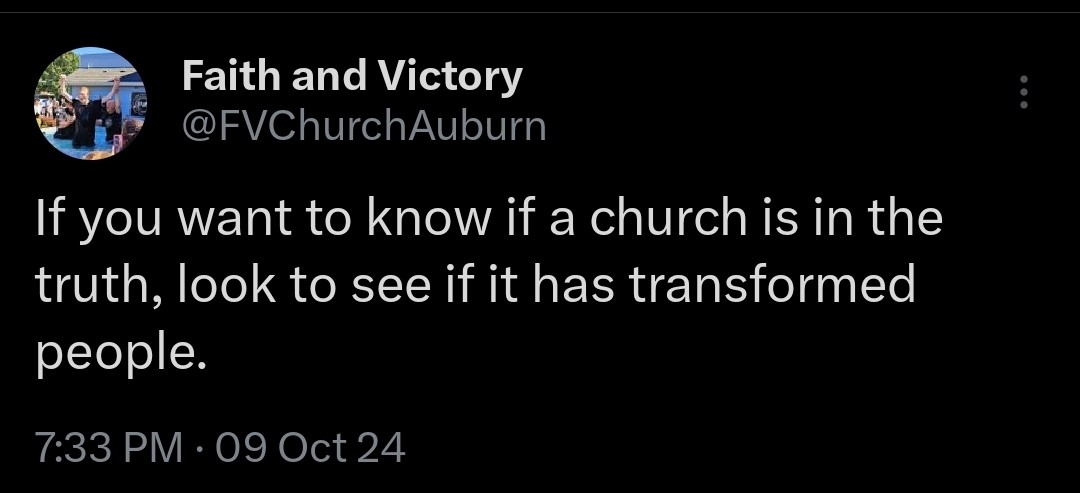
If you want to know if a church is in Spirit and in truth, look for transformed lives. The lives in this church are written on my and Ps Matt’s hearts. Your transformed life and changed histories are our greatest treasure. This is the best gift you could offer to us- live a transformed and fully devoted life to Christ.
A letter not written with ink but with the Spirit of the living God – Even in the midst of his defense, Paul gives the glory to God. He says that they are a “letter from Christ” and written by the “Spirit.” Paul delivered this “letter” so to speak. But he didn’t write it. God was still the author of salvation. And Paul was his faithful servant.
In the previous chapter, Ps Kevin preached that Paul said that they were led in “triumphal procession” and spreading the “fragrance of knowledge of Christ everywhere.” He also said that they were the “aroma of Christ.” Then he asked “who is sufficient for these things?”
This is the confidence that we have through Christ toward God. Not that we are sufficient in ourselves to claim anything as coming from us, but our sufficiency is from God.
Paul and his team were messengers for God. They proclaimed the gospel of Jesus in new places like a triumphant procession and they did so with confidence.
In the world today, confidence is generally viewed as a good thing. Trust in yourself. Trust in your abilities. Be assertive to pursue what you want in life. Can I get a witness? In fact, this is the message coming out of the church, a me-centered gospel, one where my plans dictate and my purpose is to be a famous Tik Tok-er
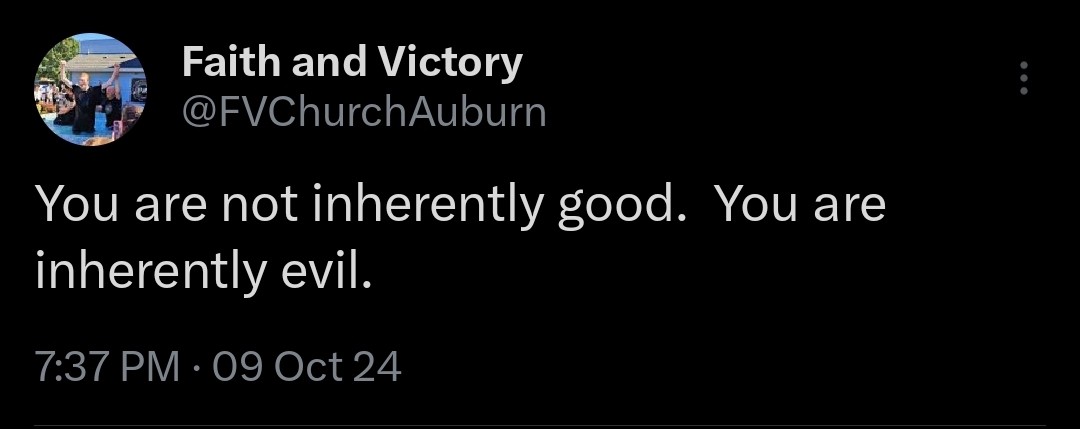
However, the Bible reveals many flaws in this worldly wisdom. Firstly, we are all sinners, totally depraved. Our hearts are deceitful. There is none good, no not one. Secondly, our intelligence, skills, talents, and strengths are limited and flawed. Many a self-confident person has gone down in flames

Confidence in oneself is misplaced and a form of pride
Philippians 3:1-4 Finally, my brethren, rejoice in the Lord. For me to write the same things to you is not tedious, but for you it is safe. 2 Beware of dogs, beware of evil workers, beware of the mutilation! 3 For we are the circumcision, who worship [a]God in the Spirit, rejoice in Christ Jesus, and have no confidence in the flesh,
Proverbs 16:18 Pride goes before destruction, And a haughty spirit before [a]a fall.
So what is the alternative? Am I suggesting a cowering, nervous, and fearful demeanor? Should we go around afraid to speak in public, too nervous to apply for a top job position, or be consumed and wracked with self-doubt? Of course not.
In this passage we see Paul boldly declaring the truth of God. Throughout Acts the apostles stood up to opposition. They preached with power and the threats and intimidation did not stop their work. This bold confidence did not come from themselves, but from God. It was the Lord who transformed their lives. He filled them with the Spirit. He empowered their ministry, guided their plans, and gave them supernatural peace and courage to face numerous obstacles and powerful enemies. If you saw Paul, you would not think “what a cowering loser.” No, you would think “here is a mighty man of God.”
And in fact the religious leaders were amazed at Jesus’ disciples, uneducated fishermen who spoke with power and authority
Acts 4:13 Now when they saw the boldness of Peter and John, and perceived that they were uneducated and untrained men, they marveled. And they realized that they had been with Jesus.
For you: our confidence should come from God.
Proverbs 3:5-6 Trust in the Lord with all your heart, and do not lean on your own understanding. In all your ways acknowledge him, and he will make straight your paths.
It is so natural for us to fall back on self. We trust in our education. We trust in our skills. We trust in our bank account. We trust in our logic. We trust in our decision making or our abilities to make ends meet.
How does self-confidence instead of God-confidence manifest itself in our lives?
- Lack of prayer. If we trust in our own abilities, we will not come before God and petition for His help nearly as much as we should. God answers the prayers of those who call upon Him for help! The Holy Spirit is our Helper. According to a Barna study, the average Christian pray for 1 minute a day! 55% pray daily, 76% only when in crisis, 71% pray for the sick, 37% pray for peace, 37% pray over their meals, 34% pray for others prayer requests. 67% of men seldom/never pray v. 33% women. There is a problem here. If you are not praying, then who are you trusting?
- Lack of preparation. If we trust in our own skills, we may think we have mastered something and don’t need to prepare properly. The Bible says to be ready in season and out of season- this means that at any time, I should be prepared to do what God has called me to do. Ex: Ps Matt was sick and I had to preach his notes. Now, I can preach a portion of scripture without preparation, but wouldn’t it be better if I stayed in my word always, so that when I am called upon to preach, I have studied the Word enough to have a working knowledge? IN a 2019 study, only 32% of church-goers read the Bible daily. Of that 32%, 61% of white people read daily v. 4% of all other ethnicity. Why?
- Lack of quality time with the Lord. This goes along with lack of prayer and preparation. You will never be able to fully trust the Lord and have your confidence in Him, if you do not spend time with Him regularly and consistently.
- Assuming that everything will go according to our plans and being too rigid to realize when God is altering them. You think too highly of yourself.
- Undue disappointment when we fail or face criticism. I have learned that a prideful person cannot accept any kind of correction or criticism. You will fail when you do things in your own strength. Even then, following the Lord we can fail because we are humans still trying to figure out this walk. Learn to look differently at your failures and view them as a stepping stone and character building. Ben Franklin said “I not failed. I have found a thousand ways that won’t work” God is working through my failures to produce righteousness.
- Procrastination. We often put off things because we are not fully trusting the Lord to take care of us. Delayed obedience can cause you to miss an open door. Remember, our trust is in the Lord and His ability to provide for us.
- Stress and anxiety. Because we think that our future success is in our own hands it will rob us of peace and cause more nerves and stress.
Paul says, “not that we are sufficient in ourselves to claim anything as coming from us.” Paul doesn’t consider himself sufficient for the great task of changing lives for Jesus. Only Jesus is sufficient for such a big job.
Some people refuse to be used by God because they think of themselves as “not ready,” but in a sense, we are never ready or worthy. If we were, the sufficiency would be in ourselves and not from God.
“Brethren, if Paul is not sufficient of himself, what are you and I? Where are you… Do you indulge the dream of self-sufficiency? Be ashamed of your folly in the presence of a great man who knew what he said, and who spoke under the direction of the Spirit of God, and wrote deliberately, ‘Not that we are sufficient of ourselves. Our sufficiency is of God’; let us practically enjoy this truth. We are poor, leaking vessels, and the only way for us to keep full is to put our pitcher under the perpetual flow of boundless grace. Then, despite its leakage, the cup will always be full to the brim.” (Spurgeon)
Recognizing that I am a leaky vessel in desperate need of His continuous strength and grace in my life is step one in placing complete confidence in God rather than yourselves.
James 1:17 Every good gift and every perfect gift is from above, and comes down from the Father of lights, with whom there is no variation or shadow of turning.
Every single good thing we have is from God. Any ability we have is from God. Our intelligence, strengths, logic, and spiritual gifts are all from God. Our opportunities in life are given to us by God. EX: we had a guy attend here years ago who’s brother was an atheist. He was very arrogant and prideful. I tried to convince him that his success was because he had some ability that God gave him, it was not of his own doing. He didn’t agree
You have never had one single success apart from Christ’s blessing on your life. That is not hyperbole. It is true. Even atheists with successes in the eyes of the world have Jesus to thank. He gave them their brains and their health and their skills and everything else, whether they recognize it or not. And if that is true for the worldly successes of atheists, it is even more true for the spiritual successes of God’s people. Zero spiritual success comes from self.
John 15:5 – I am the vine; you are the branches. Whoever abides in me and I in him, he it is that bears much fruit, for apart from me you can do nothing.
The first key to being completely dependent on Christ is to have the mindset described above. We must believe that everything good in our lives is from God. If we believe that and remember it, then it will have a trickle down effect to every area of our lives.
We also need to recognize specific ways that we act when prideful, self-confidence sneaks in. If we are constantly examining our heart and our motives, then we can quickly right course by coming back to Jesus when we begin to drift.
It was He who has made us sufficient to be ministers of the new covenant – God transformed Paul and the other disciples, turning them into diplomats of heaven. They were ministers. It wasn’t because of their educational background. And it wasn’t because of their pure lives. It was because Jesus transformed them. And Jesus sent the Helper, the Holy Spirit, who would empower them for this ministry.
If you are saved, then you too are a minister of the new covenant. It is not that you will be at some future time after finishing seminary or getting ordained. No. Every believer is called by God to be His ambassadors. Are you doing it? Are you performing the role of a minister? Do you share your testimony and the goodness of God? Testify of the times He healed, He provided, He delivered, when He saved you. You do not even have to be very articulate- one thing I know, I was blind and now I see
Paul ends this portion with, “the letter kills, but the Spirit gives life” – The old covenant acted as a mirror to reveal our sin. The law shows us our need for a Savior. The NT says it is a schoolmaster, leading us to Christ. The new covenant offers a permanent solution to that sin in Christ. The law condemns us because no one can keep it all the time. But the blood of Jesus cleanses our sins and sets us free, giving us new life.
When Paul contrasts the letter and the Spirit, he isn’t favoring “experience” over “the word,” nor is he favoring allegorical interpretation over a literal understanding of the Bible. Rather Paul shows the superiority of the new covenant over the old covenant. Do not fall into a ditch. WE need the Word and the Spirit
The letter is the law in its outward sense, written on tablets of stone. The letter of the law came by the old covenant. It was good in itself, but it gave us no power to serve God, and it did not change our heart; it simply told us what to do. Paul can say the letter kills because the law, exposing our guilt, “kills” us before God. The law thoroughly and completely establishes our guilt. Paul expresses this point well
Romans 7:5-6 For when we were in the flesh, the sinful passions which were aroused by the law were at work in our members to bear fruit to death. But now we have been delivered from the law, having died to what we were held by, so that we should serve in the newness of the Spirit and not in the oldness of the letter.
This is the difference between Romans 7 and Romans 8. The Romans 7 man tries to live according to the word of God, the law of God, without the Spirit and therefore in seeking to obey the law, he still cannot overcome sin and fails, walking away defeated. The Romans 8 man, through the Spirit of God, not only can obey the Lord, but has the power to overcome his flesh and sin, thus walking in victory.
The indwelling Spirit then becomes for us a law written on our hearts. He is in us to guide us and be our “law.” It isn’t that the Holy Spirit replaces the written law, but completes and fulfills the work of the written law in our hearts. The Spirit gives life, and with this spiritual life, we can live out the law of God.
Therefore, we can’t throw away or neglect our Bibles because now we have the Spirit. Instead, the Spirit makes us alive to the letter, fulfilling and completing the work of the letter in us. We also shouldn’t think this is permission to live our Christian life on experiences or mystical interpretations of the Bible. Experiences have their place, but each must be proved true and supported by studying the literal meaning of the Bible. The Spirit and the letter are not enemies, but friends. They don’t work against each other, and one is incomplete without the other.
The Spirit of God enables us to obey God’s Word in its true form- from our heart. WE have been given the great gift of the Holy Spirit in our lives in order to keep and obey God’s Word and overcome the sin that kept us in bondage to our fleshly wants and desires. So we are without excuse.
For more sermons please visit our SERMON PAGE
Please subscribe to our YOUTUBE PAGE